
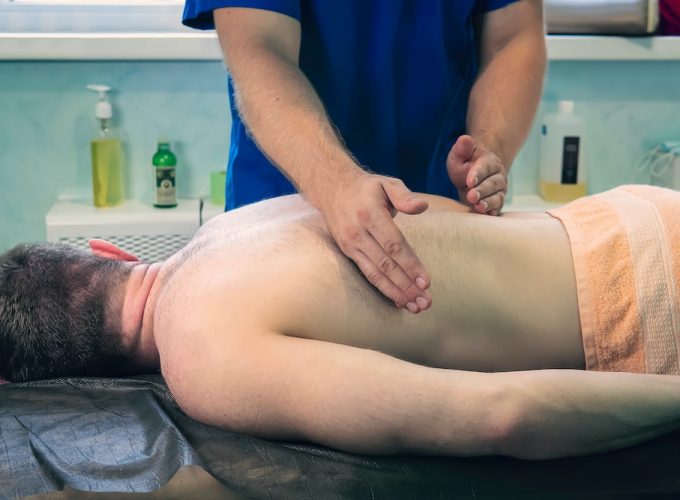
Sciatica Treatment through Ayurveda and Panchakarma
Discover effective Ayurvedic and Panchakarma treatments for sciatica (Gridhrasi) at Dr Bhatt’s Clinic. Learn how Ayurvedic therapies relieve pain, restore nerve health, and prevent recurrence — naturally and holistically.
Ayurvedic Understanding of Sciatica (Gridhrasi)
According to Ayurvedic texts, Gridhrasi arises when aggravated Vata (sometimes combined with Kapha) obstructs the normal functioning of the sciatic nerve. Symptoms include:
• Radiating pain from the hip down the leg
• Numbness or tingling in the lower limb
• Stiffness and difficulty in walking
• Weakness in the affected leg
This mirrors the modern pathology of nerve compression due to disc herniation or muscle spasm. Ayurveda, however, views the condition as a systemic imbalance, not just a structural problem — and treats the root cause rather than only the symptom.
Panchakarma: The Core of Ayurvedic Sciatica Care
Panchakarma therapies offer targeted detoxification, pain relief, and nerve rejuvenation. These therapies are prescribed after assessing the patient’s Prakriti (constitution), disease stage, and severity.
1. Abhyanga (Therapeutic Oil Massage): A warm, medicated oil massage that relaxes tense muscles, improves blood flow, and reduces Vata aggravation.
2. Swedana (Herbal Steam Therapy): Induces sweating and relieves stiffness, promoting toxin elimination and flexibility in the lower back.
3. Kati Basti: A localized oil therapy in which warm herbal oil is retained over the lower back in a dough ring. It nourishes nerves, lubricates joints, and relieves deep-seated pain.
4. Basti (Medicated Enema Therapy): Considered the main treatment for Vata disorders, Basti regulates the colon (the seat of Vata), strengthens the spine, and provides long-term pain relief.
5. Pinda Sweda: Medicated poultices filled with herbal leaves, powders, or rice are applied to improve flexibility, nourish muscles, and reduce inflammation.
Internal Medicines and Supportive Therapies
Internal Ayurvedic medicines are prescribed to support Panchakarma results. Common formulations include:
• Dashmool Kwath – for inflammation and nerve pain
• Yograj Guggulu, Simhanada Guggulu – for Vata-Kapha balance
• Ashwagandha, Rasna, Eranda Taila – for pain, weakness, and nerve strength
All medicines are customized based on the individual’s body type and condition.
Lifestyle and Diet Recommendations
To sustain healing and prevent recurrence:
• Follow a Vata-pacifying diet – warm, freshly cooked, and lightly spiced food.
• Avoid cold, dry, or processed items.
• Maintain regular oil massage (self-Abhyanga) with sesame or medicated oils.
• Practice gentle yoga postures for flexibility and nerve strength.
• Avoid prolonged sitting, jerky movements, and exposure to cold winds.
Results and Recovery Timeline
Patients often begin to feel relief from radiating pain and stiffness within 2–3 weeks of therapy. Long-term improvements, including restored mobility and reduced recurrence, are usually seen within 6–8 weeks, depending on the chronicity of the case.
Why Choose Dr Bhatt’s Clinic for Sciatica Treatment
• Experienced Ayurvedic and Panchakarma practitioners
• Customized therapies for each patient’s constitution
• Authentic Ayurvedic formulations and medicated oils
• Focus on long-term wellness, not just symptom suppression Our holistic protocol blends traditional healing with evidence-based care — helping patients regain strength, flexibility, and a pain-free life.